

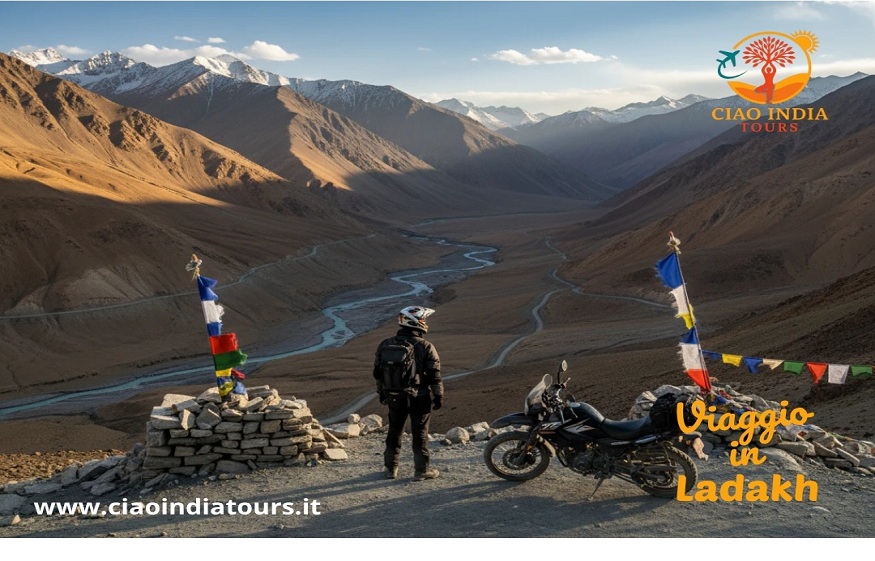
There are places on Earth where the air is thin, the silence is profound, and the landscape feels older than humanity itself. The Siachen Glacier region is one of them. A trek to its base camp is not merely an adventure—it is a pilgrimage to the edge of the world, where the Himalayas meet the sky and the human spirit is tested against the rawest forces of nature.
For those who have already explored the rugged beauty of Ladakh, perhaps on a Tour Leh Ladakh that took them through Nubra Valley, Pangong Lake, and the high passes of Khardung La, the Siachen Base Camp trek represents the ultimate frontier. It is the next level of high-altitude adventure, reserved for those who seek not just beauty, but meaning in the climb.
What Makes the Siachen Base Camp Trek Unique
The Siachen Glacier is the world’s highest and coldest battlefield, a place where the Indian Army maintains a presence in conditions that would humble even the most seasoned mountaineers. For civilians, the opportunity to trek here is rare and tightly regulated—organized annually by the Indian Army Adventure Wing, with only 30–40 participants selected each year.
This is not a commercial trek. There are no luxury tents, no guided tours for mass tourism. Instead, it is an expedition that demands preparation, resilience, and respect for the environment and the military personnel who guard this remote frontier.
Read More: Cost of Renting a Jeep in Nepal
The trek begins in Leh, at around 3,500 meters (11,500 feet), and ascends to the base camp at approximately 3,600 meters (11,800 feet), with the final camp reaching 5,300 meters (17,500 feet). Over 8–9 days, trekkers cover about 60 kilometers round trip, traversing harsh terrain, sub-zero temperatures, and altitudes where every step is a negotiation with gravity and oxygen.
The Journey Begins: Acclimatization in Leh
No one reaches Siachen without first surrendering to the rhythm of Leh. The city, perched at 3,500 meters, is not just a starting point—it is a threshold. Here, the body must learn to breathe in air that holds 40% less oxygen than at sea level.
The first 6–7 days in Leh are dedicated to acclimatization. Participants rest, hydrate, and undergo daily medical check-ups to monitor blood pressure, pulse, and overall fitness. Those whose vitals do not stabilize are sent back—not out of cruelty, but out of necessity. At these altitudes, the mountain does not forgive unpreparedness.
During this time, Leh reveals its own magic. Ancient monasteries like Thiksey and Hemis stand as silent witnesses to centuries of Buddhist devotion. The Shanti Stupa overlooks the Indus Valley, a white dome of peace against the brown mountains. And the markets buzz with trekkers, monks, and soldiers, all drawn to this high-altitude crossroads.
For many, this period is also a chance to reflect on the Viaggio in Ladakh that brought them here. Whether it was a spiritual journey through monasteries, a photographic expedition across deserts, or a Tour Leh Ladakh that covered the region’s highlights, Leh is the heart of the Ladakhi experience—and the gateway to something even more profound.
The Trek: From Base Camp to the Glacier
After acclimatization, the real journey begins. The route to Siachen Base Camp takes trekkers over Khardung La, one of the world’s highest motorable passes at 5,359 meters (17,580 feet). From there, the descent into the Nubra Valley offers a brief respite before the ascent toward the glacier.
The trek itself is grueling. Daily distances average 13–15 kilometers over rocky, uneven terrain. Temperatures drop well below freezing at night, and the wind cuts through layers of clothing like paper. Yet, amidst the hardship, there is beauty beyond words.
The landscape is a study in contrasts: barren mountains rise like ancient giants, while the glacier below flows like a river of ice. The sky is a deeper blue than anywhere else on Earth, and the stars at night seem close enough to touch. Every step is a reminder of human fragility—and of the incredible resilience of the soldiers who live here year-round.
At the base camp, trekkers undergo further training in ice-craft and equipment handling before proceeding to the final camp. This is not just a physical challenge; it is a lesson in survival, discipline, and respect for the environment.
Why This Trek Matters
The Siachen Base Camp trek is more than an adventure. It is a statement. By allowing civilians to trek here, the Indian Army reinforces sovereignty over a region that has been contested for decades. But it also serves another purpose: to show the world what it takes to live and serve in one of the most inhospitable places on Earth.
For trekkers, the experience is transformative. It strips away the comforts of modern life and forces a confrontation with the essentials: breath, step, warmth, will. It is a reminder that nature is not a backdrop for human drama, but a force that demands humility.
Read More: Discover the Majestic Taj Mahal: Exclusive Tour
And for those who have already experienced the wonders of Ladakh—perhaps on a Viaggio in Ladakh that took them through monasteries, high passes, and turquoise lakes—the Siachen trek is the ultimate culmination. It is the place where the adventure of Ladakh meets the edge of the known world.
Preparing for the Siachen Base Camp Trek
This is not a trek for beginners. Prior experience with high-altitude treks (4,000–4,500 meters) is essential. Physical fitness, mental resilience, and the ability to function in extreme cold are non-negotiable.
Key preparation steps include:
- Medical fitness: Comprehensive health checks, including cardiac and respiratory evaluations, are mandatory.
- Physical training: Focus on endurance, strength, and cardiovascular fitness. Long-distance walking with a loaded backpack is highly recommended.
- Gear: Specialized mountaineering equipment, including insulated boots, down jackets, and cold-weather sleeping bags, is required.
- Mental readiness: The trek is as much a psychological challenge as a physical one. Meditation, breathing exercises, and stress management techniques can be invaluable.
The Human Element
What stays with trekkers long after they return is not the altitude or the cold, but the people. The soldiers who man the Siachen posts are not just defenders of a border—they are guardians of a way of life that few can imagine. Their hospitality, their stories, and their quiet courage leave an indelible mark.
And then there are the fellow trekkers. Selected from across India, they come from different backgrounds, but share a common goal: to reach the edge of the world and return changed. The bonds formed in those high camps, under stars that seem to touch the soul, are lifelong.
FAQ – Frequently Asked Questions About Siachen Base Camp Trek
1. Is the Siachen Base Camp trek open to civilians?
Yes, but only through an annual program organized by the Indian Army Adventure Wing. Around 30–40 civilians are selected each year, usually between August and September.
2. What is the difficulty level of the Siachen trek?
The trek is considered extremely challenging. It involves daily walks of 13–15 km over harsh terrain, sub-zero temperatures, and altitudes up to 5,300 meters. Prior high-altitude trekking experience is mandatory.
3. How long does the Siachen Base Camp trek take?
The entire expedition, including acclimatization in Leh and training at base camp, takes about one month. The actual trekking portion lasts 8–9 days.
4. What permits are required for the Siachen trek?
Access is tightly regulated due to the sensitive geopolitical nature of the region. Permits are arranged through the Indian Army as part of the civilian trek program.
5. Can I combine the Siachen trek with a Ladakh tour?
Yes, many trekkers arrive in Leh as part of a broader Viaggio in Ladakh or Tour Leh Ladakh itinerary. However, the Siachen trek requires separate selection and preparation through the Army program.
A Call to the Brave
The Siachen Base Camp trek is not for everyone. It is for those who hear the mountain’s call and cannot ignore it. For those who seek not just to see the world, but to feel its pulse in their bones.
If you have already tasted the magic of Ladakh—perhaps on a Viaggio in Ladakh that left you hungry for more—then Siachen is the next chapter. It is the place where adventure meets sacrifice, where beauty meets brutality, and where the human spirit finds its true measure.
Go, if you dare. But go with respect. For at the edge of the world, the mountain is always watching.